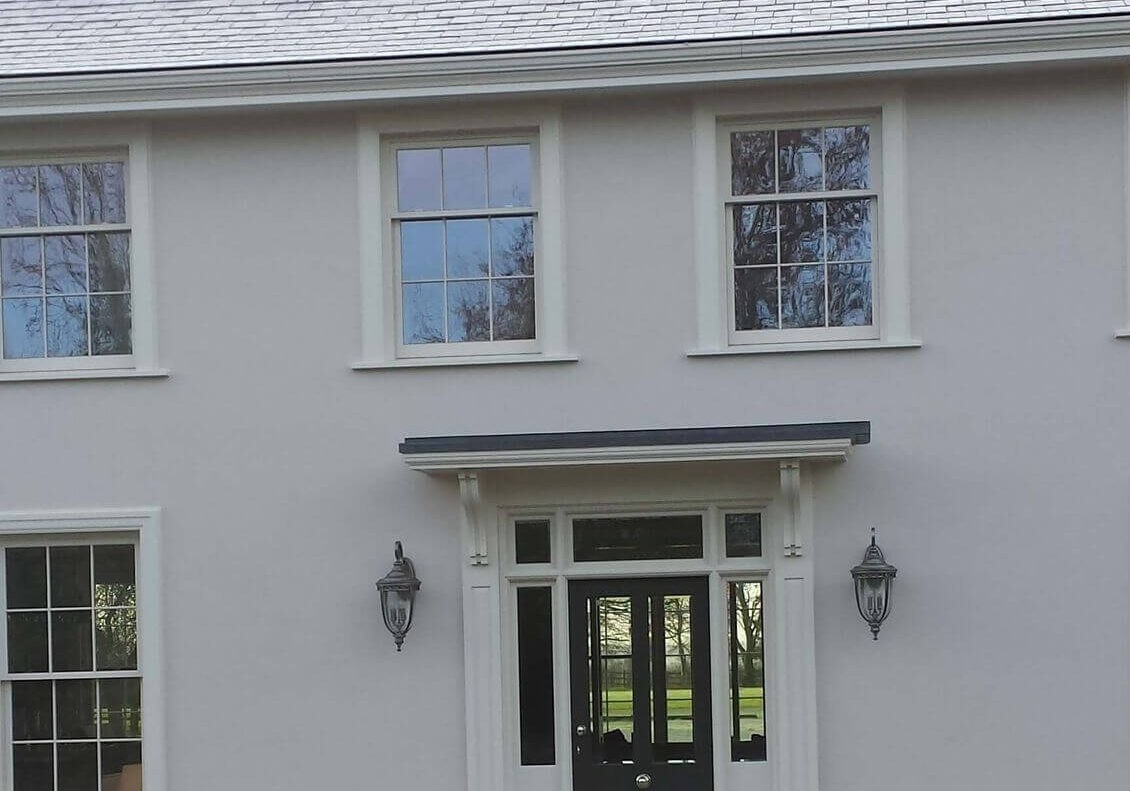
Your home’s exterior is like its first impression – it sets the tone and makes a statement. But beyond its aesthetics, it plays a crucial role in protecting your home from the elements. If you’re wondering what can impact the look and strength of your home’s exterior rendering, you’re in the right place. We’ll break it down in simple terms and give you tips on how to keep it looking and performing its best.
1. The Way It’s Put On
Imagine building a house of cards. If the cards aren’t stacked right, it won’t stand for long. The same goes for rendering. If it’s not installed correctly, it won’t last. Here’s what you need to watch out for:
Improper Installation: It’s like putting glue on a dirty surface – it won’t stick. Proper preparation, cleaning, and priming are essential for a good bond. If not done right, your rendering can crack and peel.
Wrong Mixture: Think of it as baking a cake with the wrong ingredients. Using the wrong mix or contaminated materials weakens your façade and may even let water in.
Bad Weather: Just as you wouldn’t barbecue in a rainstorm, rendering shouldn’t be done in extreme weather. It can lead to cracks and other problems.
Curing Matters: Like letting a cake cool before frosting, curing is vital for rendering. Skipping it can lead to cracks and structural issues.
How to Avoid These Issues: Hire experienced professionals who are approved installers of the products being used and ensure that they are following manufacturers guidelines, work with the installer to ensure that they are working in the right weather conditions and that adequate curing is being adhered to.
2. Battling the Elements
Your home’s exterior faces Mother Nature’s fury daily. Here’s what it’s up against:
Temperature Swings: Imagine stretching a rubber band too much – it snaps. Your façade can crack from constant expansion and contraction due to temperature changes.
Water Damage: Water is your home’s enemy. It can seep in through cracks and cause mould, rot, and corrosion.
High Winds: Winds can push and pull at your exterior, causing deformation and even water damage.
Sun’s Rays: Just like the sun can fade your clothes, it can fade your façade. UV rays weaken materials and lead to discoloration.
Ice and Snow: In cold climates, ice and snow add weight and stress. Freeze-thaw cycles cause cracks and damage.
How to Protect Your Façade: Choose materials that can handle the weather conditions where you live. Inspect and repair any weather-related damage promptly hiring professionals when required.
3. Battling Mother Nature’s Growth
Your home’s exterior can become a breeding ground for unwanted guests:
Mould and Fungi: They love dampness and can make your façade look bad and even harm your health.
Algae and Moss: These can grow where it’s damp, looking unsightly and causing further damage.
Lichen: Lichen secretes acids that corrode your materials, leading to discoloration and structural issues.
Pests: Insects and rodents can gnaw, nest, and create health hazards.
How to Keep Them Away: Use fungicidal and algaecidal coatings. Regular cleaning is vital. Ensure your façade doesn’t accumulate moisture. Implement pest control measures.
4. Guarding Against Accidents
Sometimes, accidents happen. Your façade can get damaged by:
Accidental Impacts: Like a car hitting a wall, vehicles, or falling objects can cause visible damage.
Vandalism: Graffiti and vandalism can mar your façade and make it harder to clean without further damage.
Wind-Driven Debris: In storm-prone areas, debris can hit your façade, causing scratches, dents, or cracks.
Construction and Maintenance Blunders: Negligence during maintenance or construction can lead to costly repairs.
How to Prevent Them: Use impact-resistant materials. Install barriers to protect against collisions. Detect and repair damage promptly. Apply anti-graffiti coatings.
5. Design Flaws
Poor design choices can lead to trouble:
Ignoring Local Climate: Failing to account for weather conditions can result in unsuitable materials and methods.
Incorrect Material Selection: Choosing incompatible or unsuitable materials can lead to various problems.
Poor Detailing: Neglecting joints and transitions can cause water leakage, air gaps, and energy inefficiency.
Lack of Structural Movement Planning: Ignoring building movement can result in cracks and water damage.
How to Avoid Design Flaws: Analyse your local climate and site conditions. Ensure materials are compatible. Pay attention to detail and involve experts in the design process.
6. Pollution’s Impact
Pollutants can tarnish your façade:
Airborne Pollutants: Vehicle emissions and industrial pollution can corrode and stain materials.
Acid Rain: This type of rain can erode and decay your façade, especially if it’s made of sensitive materials.
Dust and Grime: Accumulation can lead to discoloration and act as a breeding ground for microorganisms.
Chemical Spillage: Industrial spills can cause severe damage.
How to Protect Against Pollution: Regularly clean your façade. Apply protective coatings. Choose materials resistant to pollution. Design features like overhangs can help.
Are you facing issues with your home’s rendering? Don’t hesitate to reach out to us. We’re here to help you maintain the beauty and strength of your façade. Contact us today for a consultation!
Your home’s exterior is not just a pretty face; it’s your first line of defence against the elements. If you’re facing issues with your rendering, don’t worry. Reach out to us, and we’ll ensure your home stays beautiful and strong.