Restoring a Historic Cottage: Lime Render Replacing Cement Render
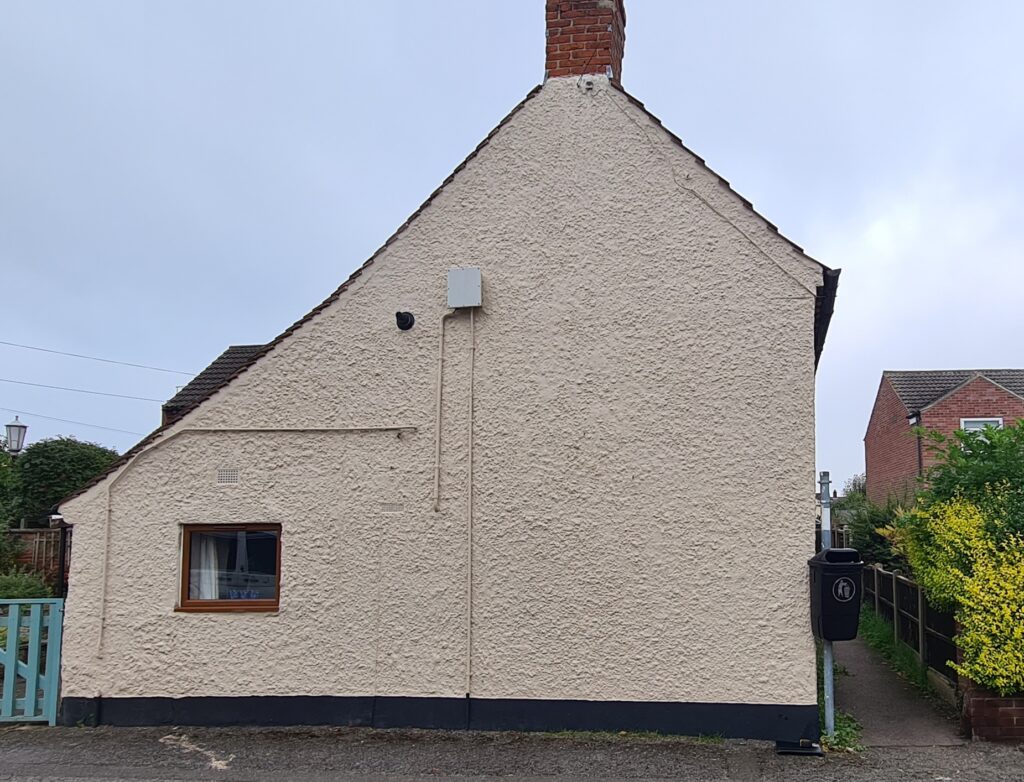
When Jason’s mum decided to sell her beloved home of more than 40 years, she knew there were some necessary improvements to be made before the sale could go through. The property, a charming 1700s cottage in Nottinghamshire, had been rendered in sand and cement long before Jason’s family moved in. However, during the initial sale process, the surveyors flagged a range of issues, including significant concerns about the external render. Addressing these challenges was essential to preserving the cottage’s structural integrity and ensuring a smooth sale.
The Challenge: Removing Cement Render and Repairing Structural Damage
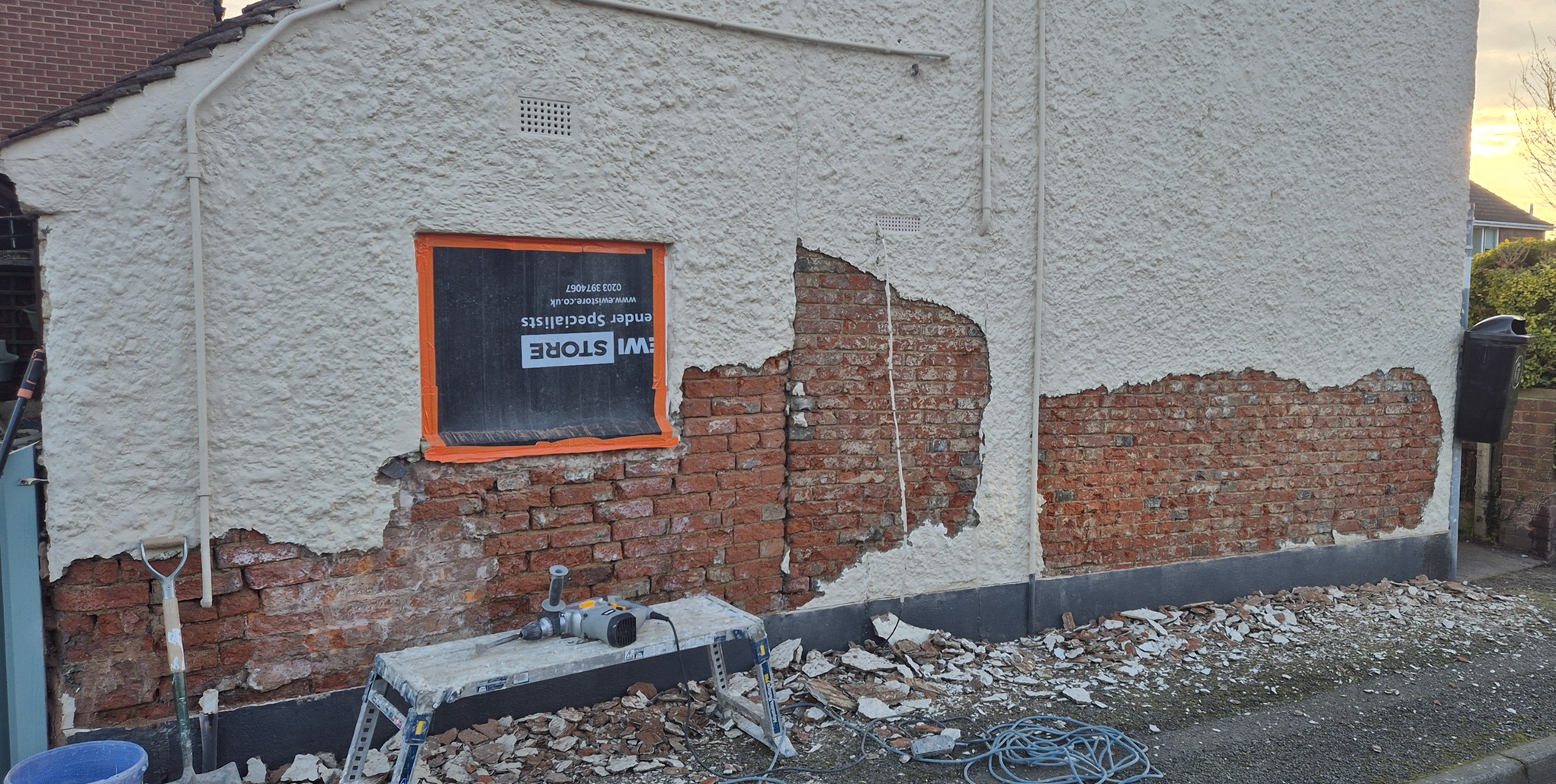
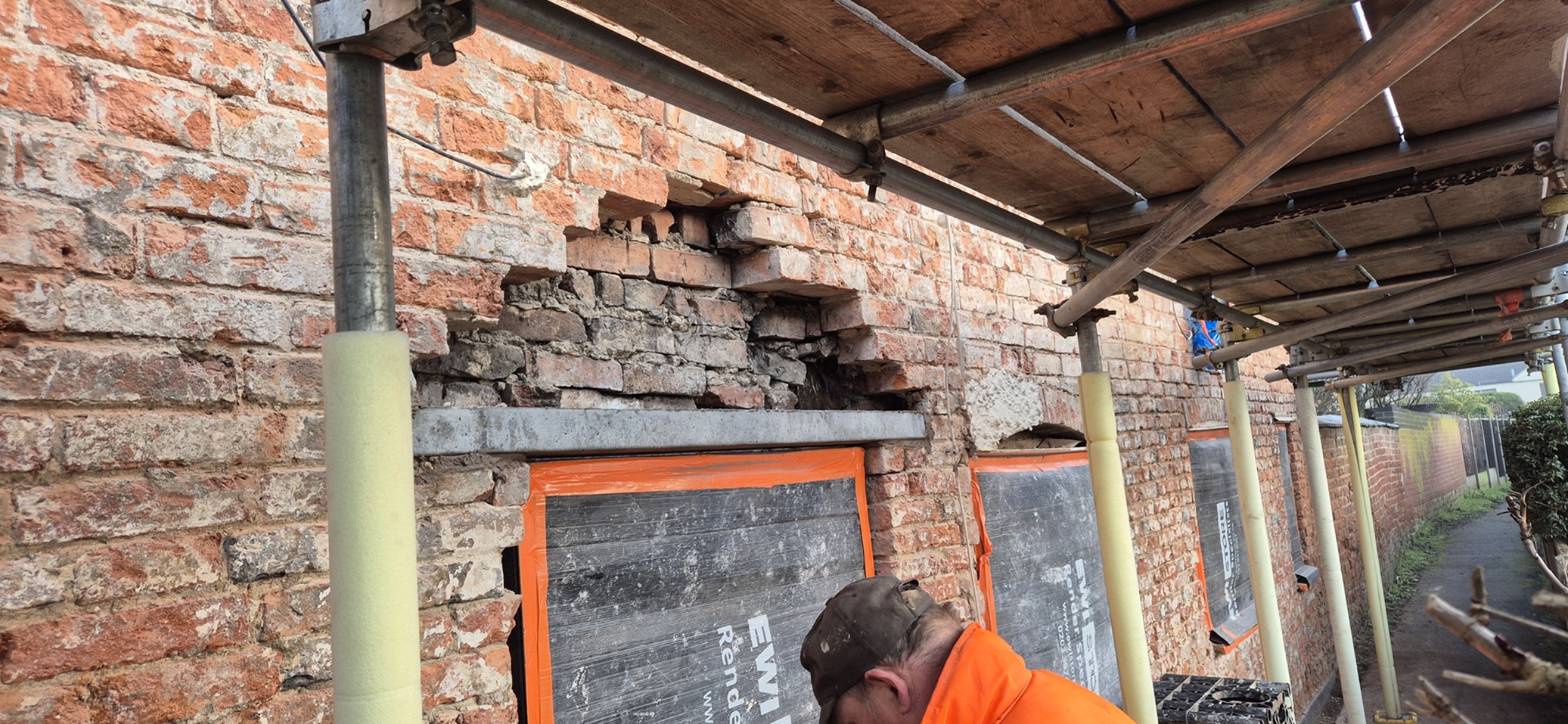
As the sand and cement render was removed, it became clear that the existing render had caused significant damage to the original brickwork. Sand and cement render, which is not suitable for older buildings, had trapped moisture within the walls, leading to the degradation of both the bricks and mortar. As we carefully removed the old render, it quickly became evident that urgent remedial work was required—without intervention, parts of the house were at risk of structural failure.
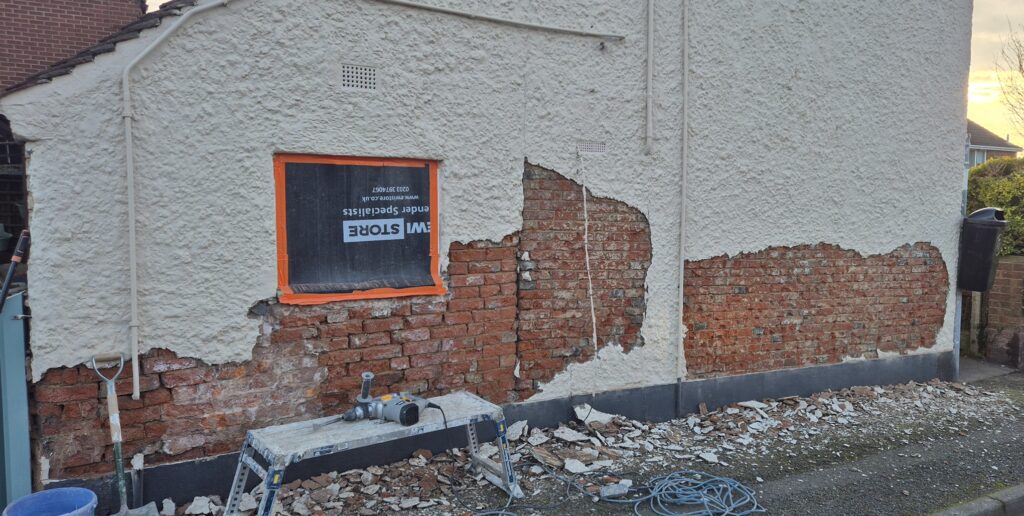
The Restoration Process
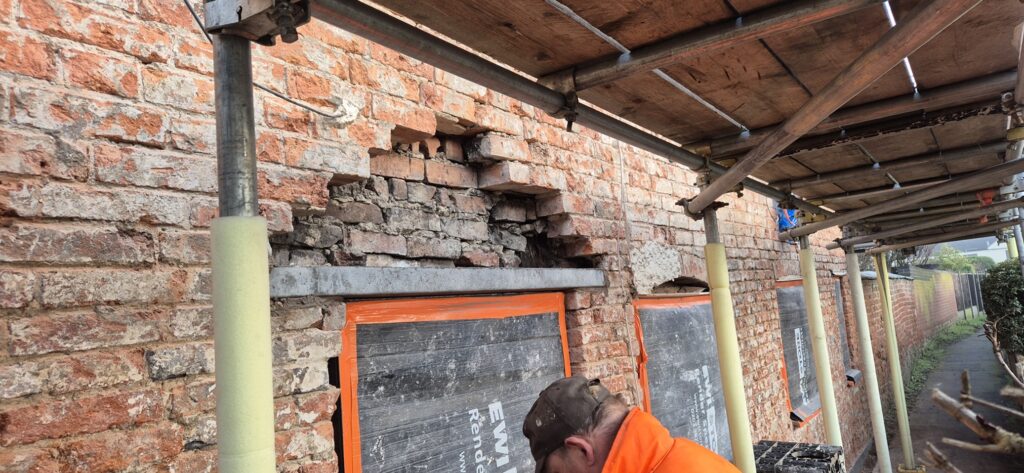
Given the extent of the damage, our first priority was to ensure the structural integrity of the cottage. We worked meticulously to re-lay bricks where necessary, installed new lintels to reinforce openings, and collaborated with a roofer to address issues with the roof. These crucial steps were taken before any new render could be applied.

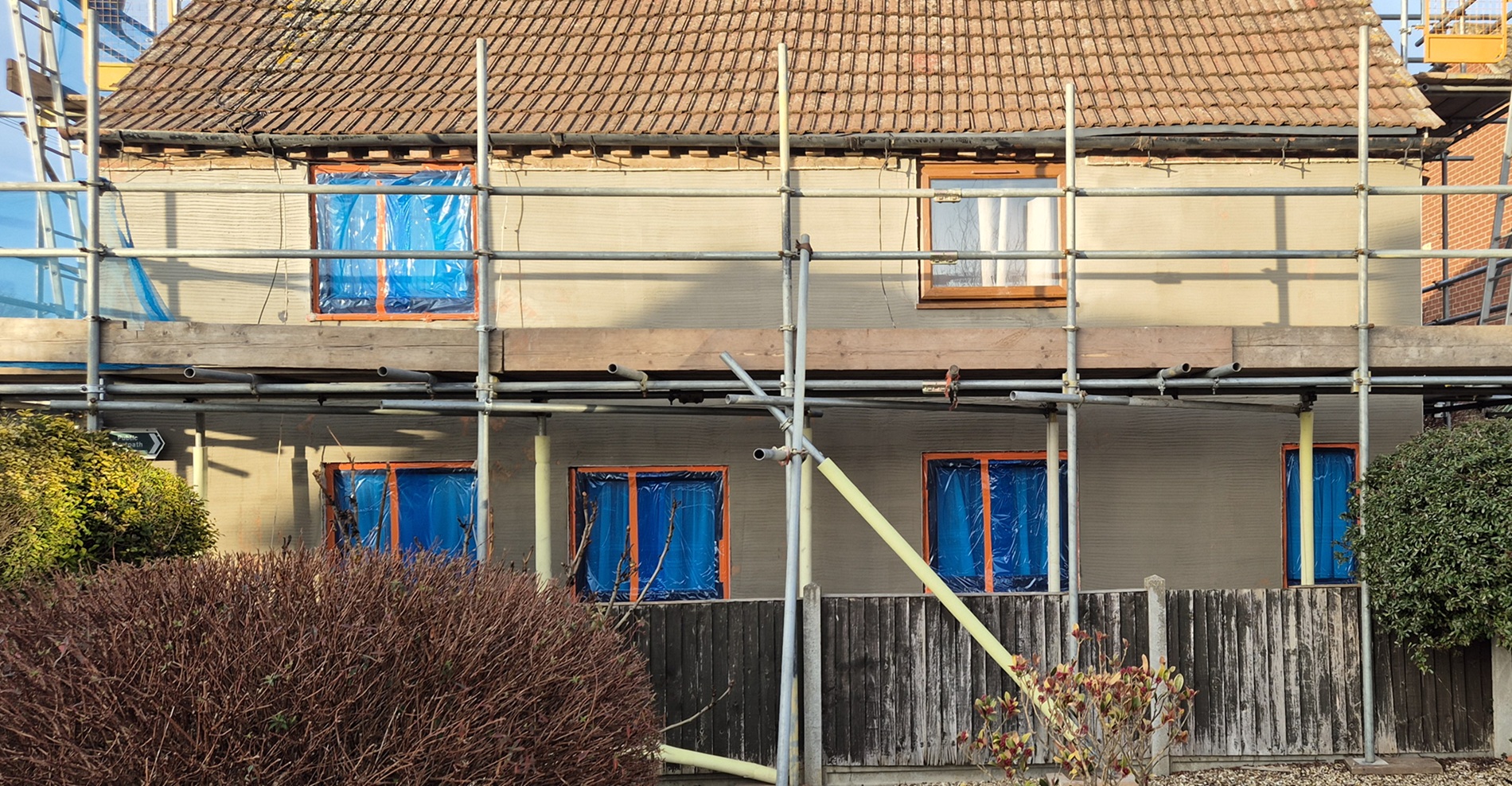
Once the structural repairs were completed, we allowed the building to dry out properly, giving it the opportunity to breathe before applying a new render system. This stage was critical, as rushing into application without allowing the walls to dry could have led to further problems down the line.
Applying a Breathable Lime-Based Render
To ensure the longevity and breathability of the property, we opted for a lime-based render system—an ideal choice for historic buildings. Unlike cement, lime render is flexible, breathable, and works harmoniously with older structures, allowing moisture to escape rather than becoming trapped within the walls.
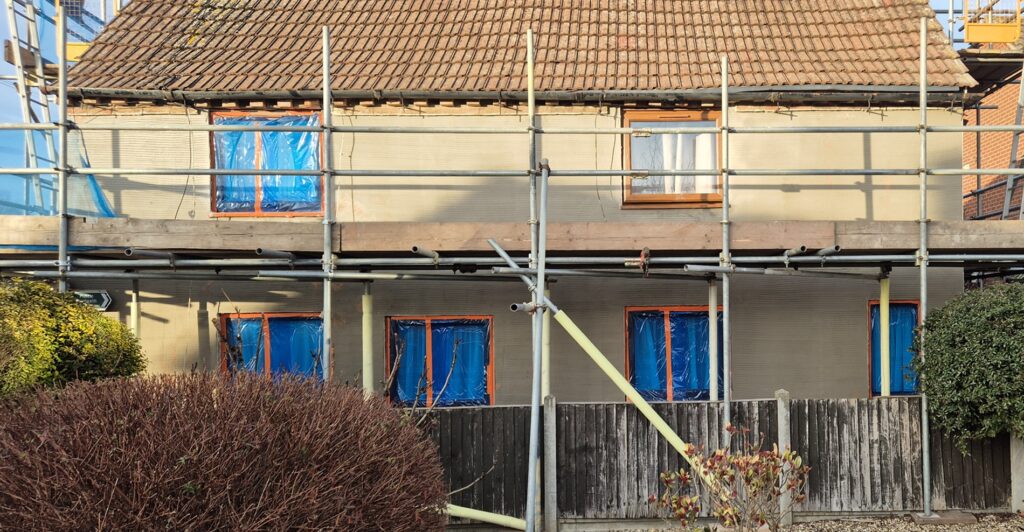
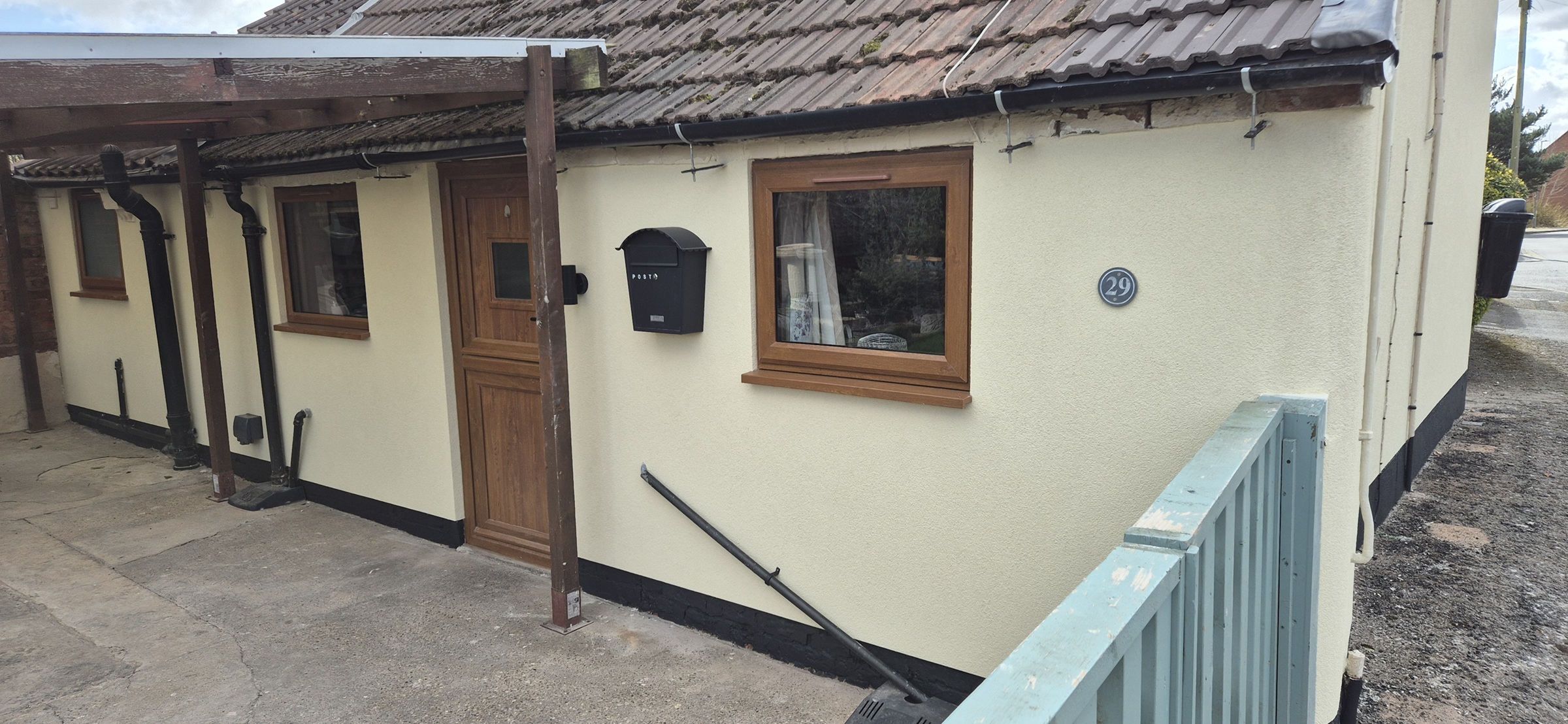
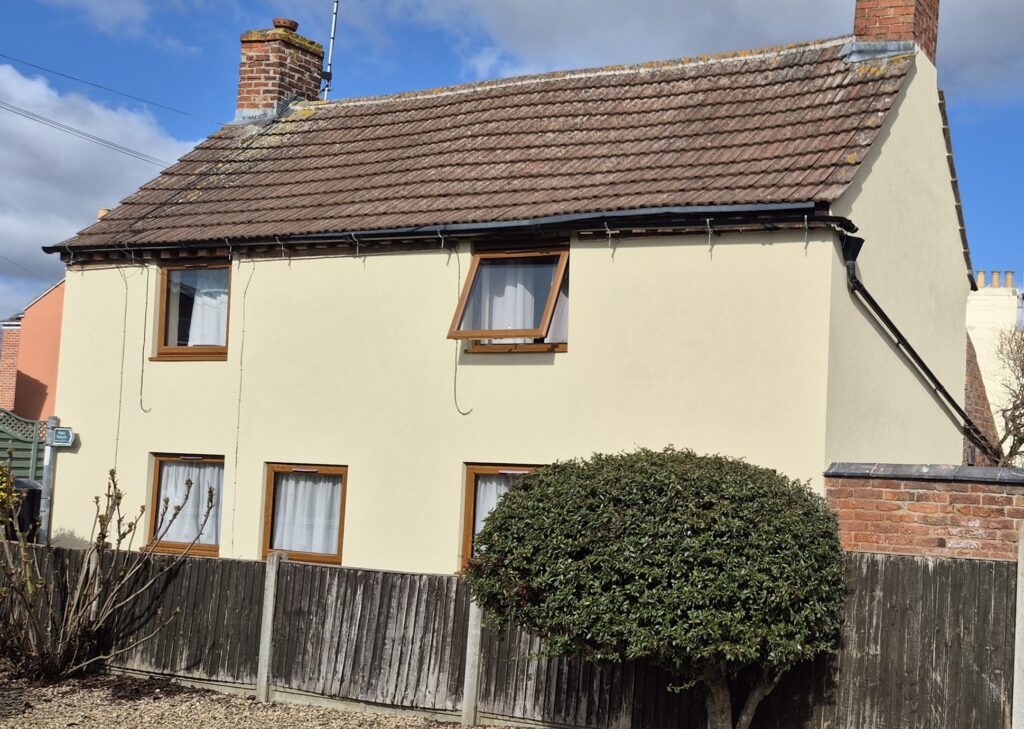
The transformation was remarkable. The new render not only restored the cottage’s aesthetic charm but also safeguarded it for the future, ensuring that it would remain in excellent condition for years to come.
A Happy Ending: A Home Staying in the Family

With the restoration complete, the house was once again structurally sound, beautifully finished, and ready for sale. However, in an unexpected turn of events, the sale resulted in the house becoming a home within the family—a testament to the emotional connection and value of the home. The project was a challenging yet incredibly rewarding one, and we are proud to have played a part in preserving this historic property for the next generation.



If you have a period property in need of specialist restoration, we’re here to help. Contact us today to discuss how we can bring your home back to life with expert craftsmanship and the right materials.
Location
Newark Nottinghamshire
Solution
Residential