
Older homes, particularly those built before 1930, possess a charm and character that modern builds often lack. However, these properties can be less energy efficient, leaving homeowners searching for solutions that enhance comfort while preserving heritage. External wall insulation (EWI) offers a compelling answer, but applying it to older properties—especially those with solid walls and lime mortar—requires a thoughtful and informed approach.
This guide explores the nuances of external wall insulation for older homes, addressing key considerations like render compatibility, damp issues, and the importance of preserving architectural integrity.
What Is External Wall Insulation?
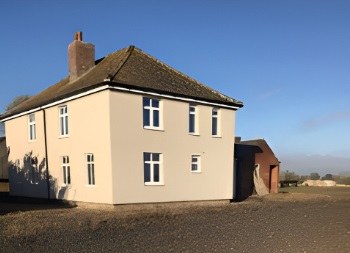
External wall insulation involves applying an insulating layer to a building’s exterior, followed by a protective render or finish. This approach helps reduce heat loss and improve energy efficiency while modernizing the home’s appearance. For older homes, however, the process isn’t as straightforward. The compatibility of the existing wall material, especially render, must be carefully assessed to ensure the long-term success of the project.
Assessing Suitability: Is Your Home Ready for EWI?
Homes Without Damp, Mould, or Condensation
If your older home shows no signs of damp, mould, or condensation, external wall insulation can often be applied directly over the existing render—even if it’s sand and cement. However, the suitability of this approach depends on the condition of the current render and walls.
Tip: Unsure about your home’s readiness? A professional assessment is essential to ensure compatibility and avoid issues later.
Homes with Damp, Mould, or Condensation
For properties exhibiting damp, mould, or condensation, the existing render must be removed before external wall insulation is applied. Sand and cement render can trap moisture, creating an environment where these problems thrive. Removing this render ensures the building can breathe properly, preventing future damage and maintaining structural health.
Striking the Balance: Preservation Meets Modernization

The decision to install EWI on an older home isn’t just about energy efficiency—it’s about honouring the home’s history while preparing it for the future. When done correctly, external wall insulation can preserve the architectural beauty of heritage properties while delivering modern comfort and energy savings.
Homeowners must carefully weigh the benefits of EWI against the potential risks of improper installation. Working with experts who understand the unique needs of older properties is vital to achieving a successful outcome.
A Thoughtful Approach to External Wall Insulation
Modernizing older homes requires both care and expertise. Here are three key steps to ensure your project’s success:

- Assess the Property: Conduct a thorough evaluation of the walls, render, and overall condition.
- Choose Compatible Materials: Use breathable, flexible materials like lime render to maintain structural health.
- Collaborate with Experts: Work with experienced contractors who specialize in heritage properties.
By following these steps, you can enhance your home’s energy performance while safeguarding its historical value.
Ready to Transform Your Older Home?
At WPS Plastering Contractors, we specialize in external wall insulation for heritage and older properties. Whether you’re looking to reduce heat loss or modernize your home’s exterior, our expert team is here to guide you through every step of the process.
Contact us today to discuss your project and discover how we can help you achieve the perfect balance between preservation and performance.
Talk to Our Experts
📞 T: 01636 382824
📧 E: wps.contractors.ltd@gmail.com
