As winter sets in, many British homeowners find themselves asking a familiar question: “Why is my house so cold?” In the United Kingdom, where historic charm meets modern heating challenges, this query is particularly relevant. Join us as we delve into the reasons behind this chilly dilemma and offer practical solutions to ensure your home remains warm and inviting even in the coldest months.
Age of the Property
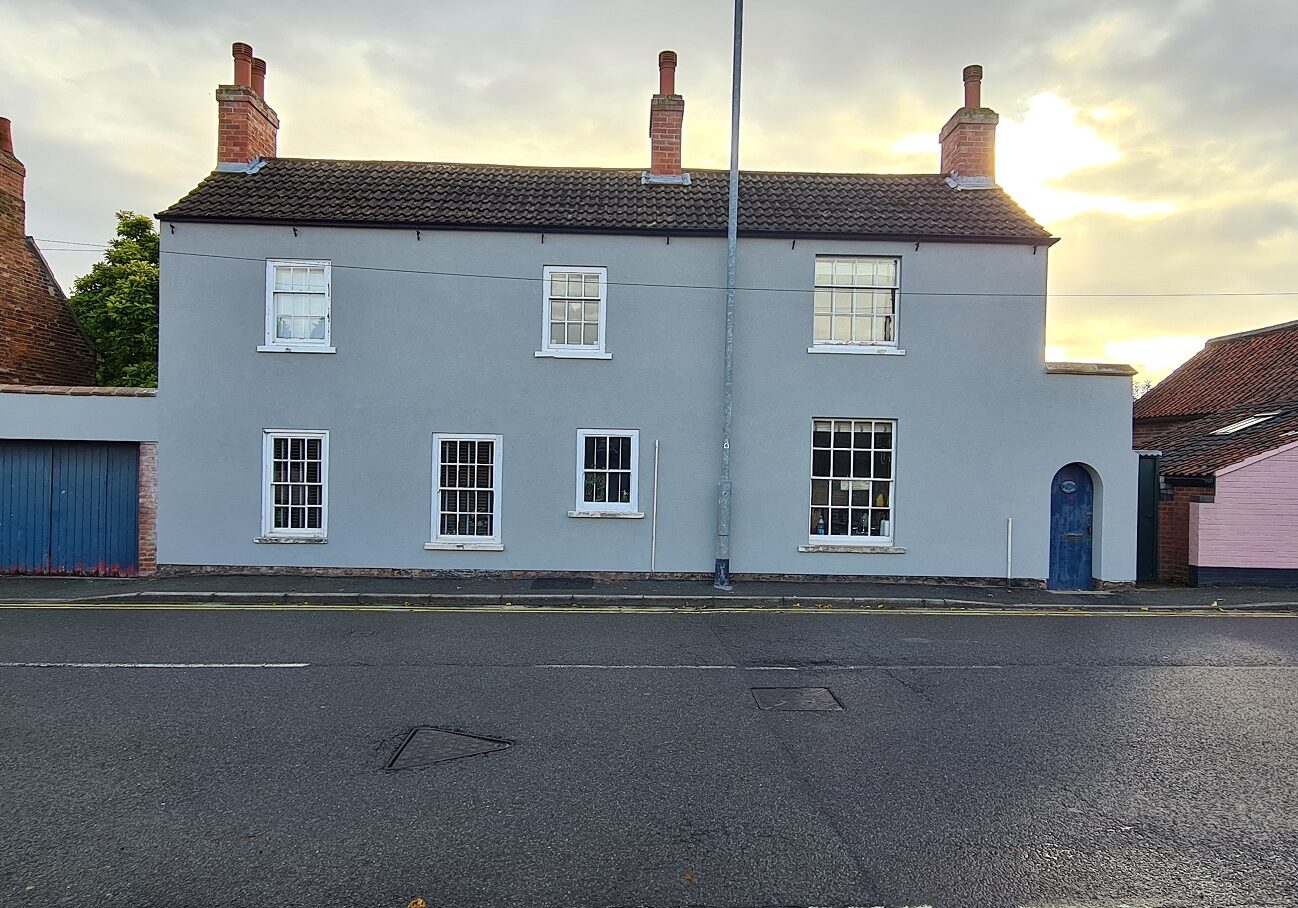
One of the primary reasons for chilly homes in the UK lies in the age of the properties themselves. With a rich architectural heritage dating back to before the 1920s, many British homes boast historic charm but suffer from inadequate insulation and outdated heating systems. High ceilings, large rooms, and single-leaf walls contribute to heat loss, making these properties susceptible to colder interiors.

Solutions for Heritage Properties
Preserving the character of heritage properties while addressing their insulation challenges requires a sensitive approach:
- Insulation Retrofit: Explore options for internal or external wall insulation that respects the building’s historical integrity.
- Secondary Glazing: Maintain the external appearance of windows while improving heat retention with secondary glazing.
- Roof and Floor Insulation: Reduce heat loss by insulating loft spaces and underfloor areas where possible.

General Issues Contributing to Cold Houses
Regardless of a property’s age, several common issues can make a house feel cold:
Inadequate Insulation: Insufficient insulation in attics, walls, and floors allows heat to escape more easily, leading to a colder indoor environment. Upgrading insulation materials can help retain warmth.
Drafts and Air Leaks: Drafts around windows, doors, and other openings allow cold air to enter and warm air to escape. Sealing leaks with weather stripping, draft excluders, or foam sealants can mitigate this issue.
Windows and Doors: Poorly insulated or single-glazed windows and doors contribute significantly to heat loss. Upgrading to double or triple-glazed windows and ensuring proper insulation and sealing of doors can improve thermal performance.
Tips for Keeping Your Home Warm
To combat the cold and create a cosy living environment, consider the following measures:
- Quality Insulation: Invest in high-quality insulation materials for attics, walls, and floors to reduce heat loss.
- Seal Gaps: Identify and seal gaps around windows, doors, and other openings to prevent drafts and heat loss.
- Upgrade Windows and Doors: Install double or triple-glazed windows and ensure well-insulated doors to improve thermal efficiency.
- Utilise Thermal Mass: Incorporate materials with high thermal mass into your home’s design to regulate temperature fluctuations.
- Better Heating Systems: Upgrade to energy-efficient heating systems and maintain them regularly for optimal performance.
- DIY Solutions: Implement simple DIY measures like thermal curtains, rugs, draught excluders, and furniture rearrangement to enhance insulation and heat retention.
Is your home feeling particularly cold? Let’s talk insulation and keep the chill out this winter!
If you are interested in looking at insulating your home from the outside then get in touch for a quote. Call today on 01636 382824.